When it comes to construction, the longevity of a structure is often determined by what you can’t see. One of the most critical steps in any build—whether it’s a driveway, a foundation, or a commercial floor—is the method of compaction of concrete.
Without proper compaction, concrete remains porous, weak, and prone to cracking. In this guide, we’ll explore why compaction is essential and which methods will give you the most professional results.
Why is Concrete Compaction Necessary?
Freshly poured concrete naturally contains entrapped air. If this air isn’t removed, it creates “honeycombing” or voids within the slab. Effective compaction serves three primary purposes:
Choosing the Right Method of Compaction of Concrete
Depending on the scale of your project and the consistency of the mix, there are two primary approaches:
1. Hand Compaction
Typically reserved for very small DIY projects or where reinforcement is so dense that machinery cannot reach. This involves “rodding” or “tamping” the concrete manually. However, for professional-grade results, hand compaction rarely achieves the required density for structural integrity.
2. Mechanical Compaction (The Professional Choice)
Mechanical vibration is the industry standard. It works by sending high-frequency waves through the wet mix, momentarily reducing internal friction between the aggregate particles and allowing them to settle into a dense mass.
The Power of Surface Compaction
For many contractors, the method of compaction of concrete relies heavily on surface vibration. This is particularly true for thinner slabs and the preparation of the sub-base—the foundation upon which your concrete sits.
If the sub-base isn’t compacted correctly using a professional plate, the concrete above it will eventually sink or crack, regardless of how well the concrete itself was mixed.
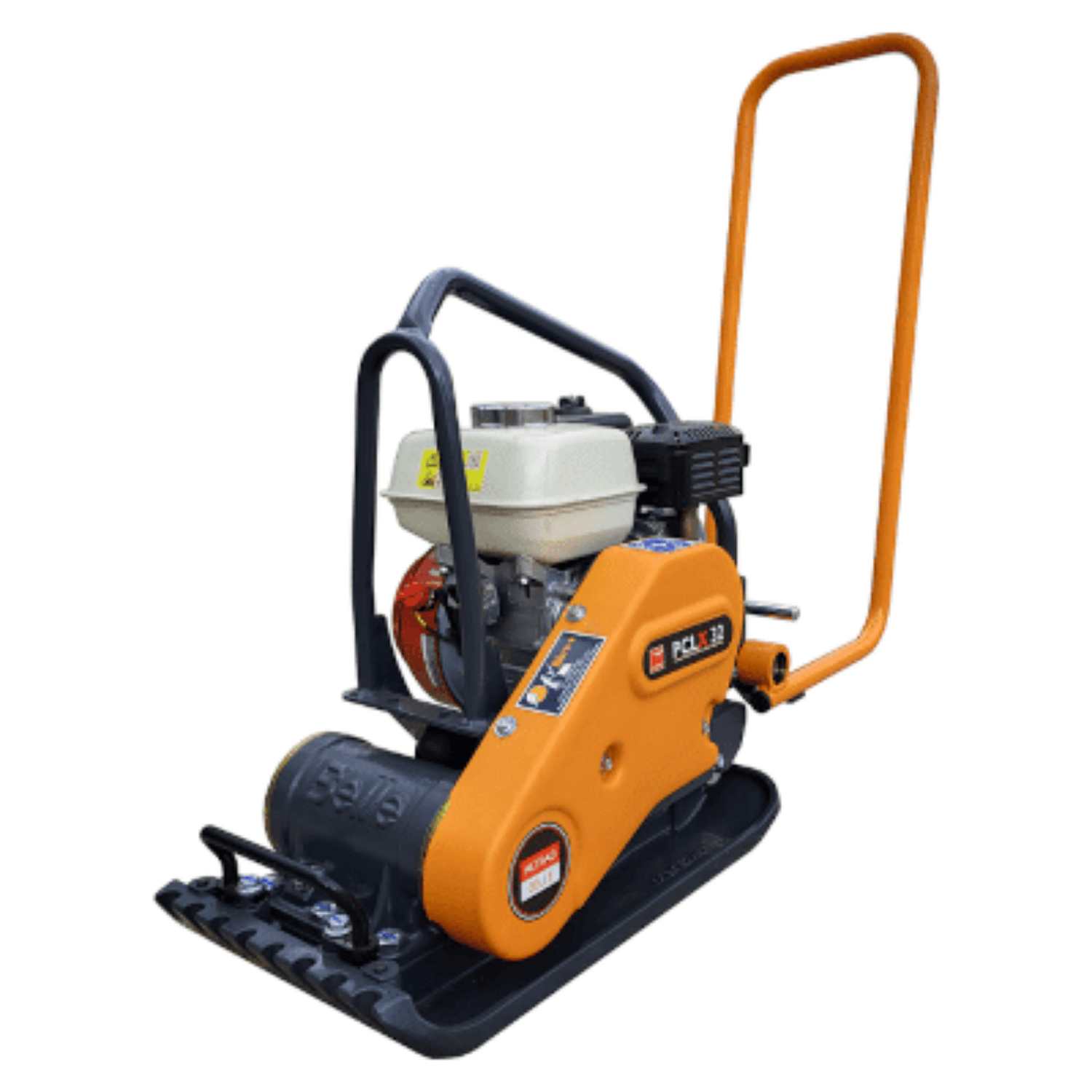
Meet the Pro’s Choice: Quantum Plant Ltd’s Plate Compactor
At Quantum Plant Ltd, we understand that professionals need equipment that matches their work ethic. Our high-performance professional plate compactor is engineered to be the ultimate partner for a multitude of compaction tasks.
Widely regarded as the industry’s most popular forward plate, this machine is built for those who demand excellence. Here is why it stands out:
Whether you are preparing a sub-base or finishing a surface, our plate compactor provides the reliability you need to guarantee a job well done.
Ready to elevate your construction standards?
Don’t leave the integrity of your project to chance. Ensure your method of compaction of concrete is backed by the best hardware in the business. Contact us today to find out more about our concrete compaction tools – 01889 441317.